
Chicken is a staple in many kitchens, loved for its affordability and versatility.
But here’s something most people are never told 👇
Not every part of the chicken is meant to be eaten regularly — or at all.
Some parts act like filters, fat traps, or bacteria magnets, which means they can carry higher health risks if consumed often or prepared carelessly.
Let’s break down these three controversial chicken parts with honesty, balance, and clarity—so you can protect your health without fear 💚
🫁 1. Chicken Lungs — A High-Risk, Often Overlooked Part
Chicken lungs are small, spongy organs attached to the ribs and are usually removed during proper cleaning. In some cases, they remain unnoticed and get cooked with the meat.
Why chicken lungs are risky:
- 🧪 Lungs are respiratory filters, meaning they trap:
- Dust
- Airborne pollutants
- Microorganisms
- 🦠 They can harbor bacteria and pathogens more easily than muscle meat
- ❄️ Poorly cleaned lungs increase contamination risk during cooking
Health concerns:
- Digestive discomfort
- Increased exposure to harmful microorganisms
- Higher food safety risk, especially for:
- Children
- Elderly people
- Those with weak immunity
📌 Important note:
Chicken lungs are not nutritionally valuable compared to muscle meat, so the risk outweighs the benefit.
✔️ Encouraging advice:
Always inspect and clean chicken thoroughly. If you spot spongy, reddish tissue inside the rib cage—remove and discard it.
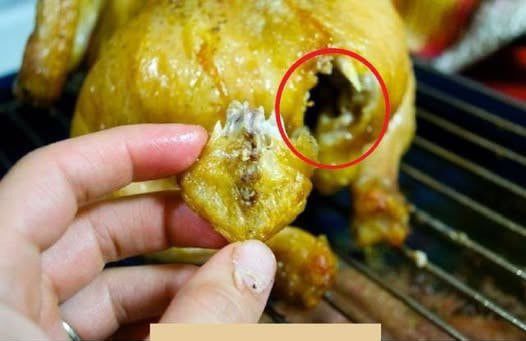
🍑 2. Chicken Tail (Pygostyle) — A Fat-Heavy Toxin Storage Zone
The chicken tail, also called the parson’s nose or pygostyle, is popular for its flavor—but it comes with serious downsides.
Why the tail deserves caution:
- 🧈 Extremely high in fat
- 🧲 Fat tissue tends to store toxins, including:
- Environmental pollutants
- Chemical residues from feed
- 🦠 Located near the digestive and waste exit area, increasing bacterial exposure
Silent long-term effects:
- Elevated cholesterol
- Increased inflammation
- Added strain on the liver
- Higher calorie intake with very little nutrition
😬 Flavorful? Yes.
🥗 Healthy? Not really.
✔️ Smart choice:
Remove the tail before cooking. You’ll reduce fat, odors, and potential contamination instantly.
🧴 3. Chicken Skin — A Bacterial and Chemical Magnet
TO CONTINUE READING THE ARTICLE PLEASE SEE PAGE 2